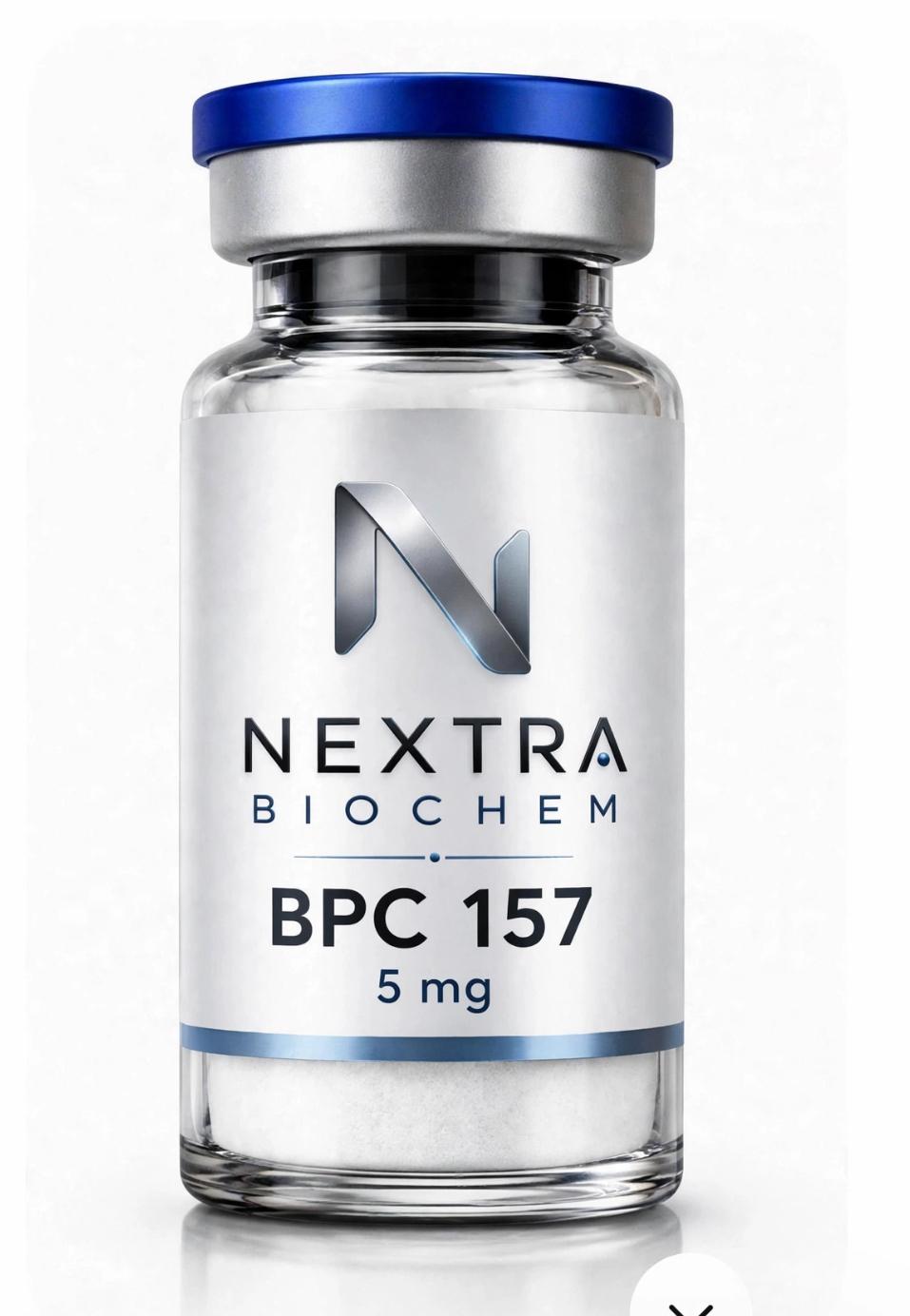
From 22,90 €
BPC-157
Synthetic pentadecapeptide derived from gastric BPC protein for in vitro research on angiogenesis, cytoprotection, extracellular matrix remodeling, and tissue homeostasis
Overview & Mechanism of Action (In Vitro)
BPC-157 (Body Protection Compound-157) is a synthetic 15-amino acid peptide with the sequence (Gly-Glu-Pro-Pro-Pro-Gly-Lys-Pro-Ala-Asp-Asp-Ala-Gly-Leu-Val), structurally derived from the naturally occurring gastric juice protein BPC. In molecular biology, gastroenterology, and experimental regenerative medicine, it serves as a primary reference model for studying pleiotropic cytoprotective and repair pathways:
Technical & Chemical Specifications
Scientific References & Literature
Legal Disclaimer & Terms of Purchase
This product is classified and supplied strictly for laboratory, scientific, and in vitro research purposes only (Research Use Only – RUO). This compound is not a drug, medicine, dietary supplement, cosmetic product, or substance intended for human or veterinary consumption, direct administration, injection, or diagnostic procedures.
By placing an order, the purchaser explicitly confirms that they are at least 18 years of age, possess the requisite professional qualifications and laboratory equipment to safely handle research materials, and are fully conversant with all relevant safety protocols for managing research substances. The seller assumes no liability for any use contrary to these terms.
This product is classified and supplied strictly for laboratory, scientific, and in vitro research purposes only (Research Use Only – RUO). Neither the compound nor the capsule matrix is a drug, medicine, dietary supplement, cosmetic product, or substance intended for human or veterinary consumption, oral ingestion, direct administration, injection, or diagnostic procedures.
By placing an order, the purchaser explicitly confirms that they are at least 18 years of age, possess the requisite professional qualifications and laboratory equipment to safely handle research materials, and are fully conversant with all relevant safety protocols for managing research substances. The seller assumes no liability for any use contrary to these terms.
Subscribe to our newsletter and we will immediately send you a discount code for your first order of research materials. Get exclusive access to special offers, restock alerts, and expert updates.
The products offered on this website are intended strictly for laboratory, scientific, and research purposes only (Research Use Only). They are not medicinal products, dietary supplements, or food. These products are not intended for the diagnosis, treatment, cure, or prevention of any disease, nor are they intended for direct consumption or administration to humans or animals.
By entering this website, you confirm that: